
 Brian Dương
#What is cashew shell? How much?
What is cashew shell? How much?
27/05/2025 -
Nội dung bài viết
Cashew shells, often considered a byproduct of the cashew nut industry, have emerged as a valuable resource with diverse applications across various sectors. From energy production to industrial uses, the cashew shell is transforming from waste into a resource.
What Is a Cashew Shell?
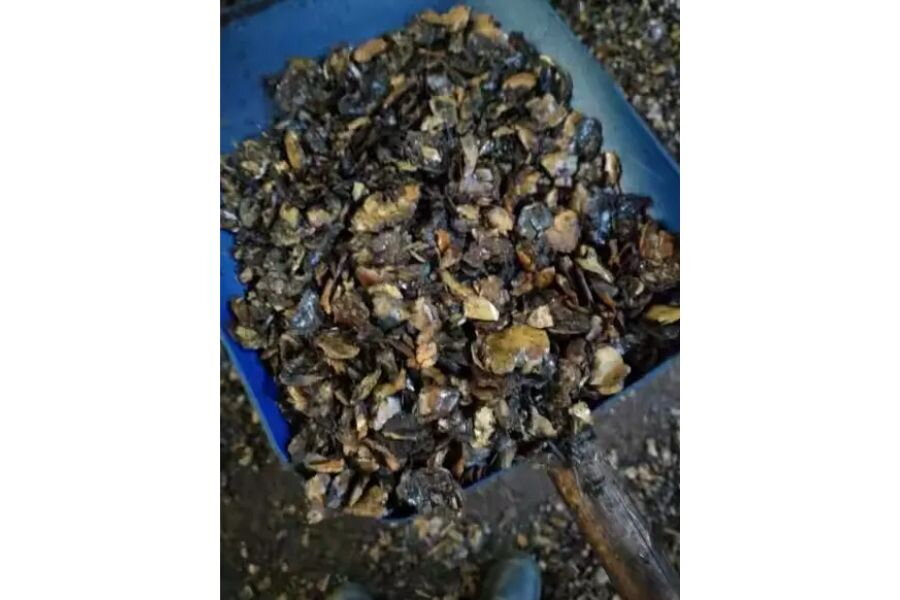
The cashew shell is the hard outer layer encasing the cashew nut. This shell is rich in a viscous, dark liquid known as Cashew Nut Shell Liquid (CNSL). CNSL is a complex mixture of phenolic compounds, primarily anacardic acid, cardanol, and cardol. These compounds are known for their unique chemical properties, making CNSL a valuable material in various industries.
Industrial Applications of Cashew Shells
1. Production of Cashew Nut Shell Liquid (CNSL)
CNSL is extracted from cashew shells through processes like roasting or solvent extraction. This liquid serves as a raw material in the production of:
-
Resins and Coatings: CNSL-based resins are used in paints, varnishes, and laminates due to their excellent adhesion and resistance properties.
-
Friction Materials: The thermal stability of CNSL makes it ideal for manufacturing brake linings and clutch facings.
-
Adhesives and Sealants: CNSL-derived compounds enhance the performance of industrial adhesives and sealants.
-
Rubber Compounding: In the rubber industry, CNSL improves the flexibility and durability of rubber products.
2. Biofuel and Energy Generation
Cashew shells and CNSL are utilized as biofuels:
-
Direct Combustion: Cashew shells can be burned to produce heat energy.
-
Gasification: Converting cashew shells into syngas for electricity generation.
-
Bio-oil Production: Pyrolysis of cashew shells yields bio-oil, a renewable energy source.
3. Agricultural Uses
The ash produced from burning cashew shells is rich in nutrients like potassium and phosphorus, making it suitable as a natural fertilizer.
Environmental and Economic Benefits
-
Waste Utilization: Repurposing cashew shells reduces environmental waste.
-
Renewable Resource: Cashew shells provide a sustainable alternative to fossil fuels and synthetic chemicals.
-
Economic Opportunity: Developing industries around cashew shell products can boost local economies, especially in cashew-producing regions.
Safety Considerations
Handling raw cashew shells requires caution due to the presence of urushiol, a skin irritant also found in poison ivy. Proper processing is essential to neutralize these compounds before industrial use.
Market Prices of Cashew Shell and CNSL
The market prices for cashew shell and its derivatives vary based on quality, processing, and regional demand.
Cashew Shell Prices
-
Raw Cashew Shells: Prices range from $100 to $200 per metric ton, depending on the quality and intended use. Alibaba
-
Processed Cashew Shells: For applications like biofuel, prices can vary based on the degree of processing and energy content.
Cashew Nut Shell Liquid (CNSL) Prices
-
Crude CNSL: Typically priced between $200 and $300 per metric ton, suitable for industrial applications. Alibaba
-
Refined CNSL: Higher purity CNSL, used in specialized industries, can fetch prices ranging from $300 to $400 per metric ton.
Conclusion
The cashew shell, once considered waste, is now recognized for its versatility and value. Through innovative applications in energy, industry, and agriculture, cashew shells are contributing to sustainable practices and economic development.
Learn more: Cashew Shell
Xem thêm: https://foods.be5.com.vn/keo-hat-dieu/
TVQuản trị viênQuản trị viên
Xin chào quý khách. Quý khách hãy để lại bình luận, chúng tôi sẽ phản hồi sớm