
 Brian Dương
#What Is Vietnamese Fragrant Rice? How Does It Compare to Other Types of Rice?
What Is Vietnamese Fragrant Rice? How Does It Compare to Other Types of Rice?
27/05/2025 -
Nội dung bài viết
Vietnamese fragrant rice has earned a well-deserved reputation for its superior aroma, taste, and texture. Celebrated both domestically and internationally, it stands out as one of the most prized varieties in the global rice market. This article explores what Vietnamese fragrant rice is, its unique qualities, and how it compares to other types of rice in terms of flavor, cooking properties, and nutritional value.
Understanding Vietnamese Fragrant Rice
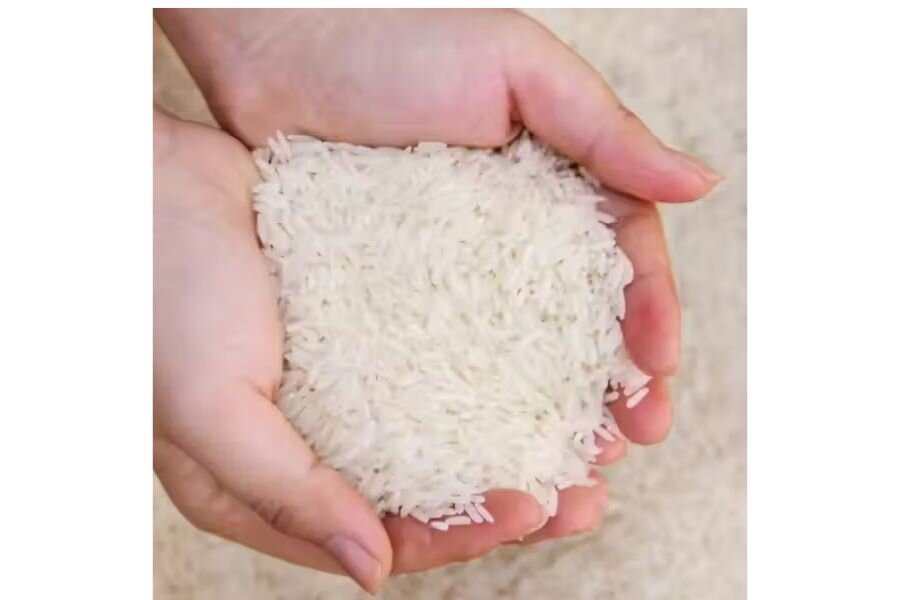
Vietnamese fragrant rice, often referred to as “aromatic rice” or “jasmine rice,” is a variety of long grain rice that is distinguished by its natural floral fragrance and delicate flavor. It is predominantly cultivated in the fertile Mekong Delta region, where the ideal climate and soil contribute to its distinct characteristics.
Key Characteristics of Vietnamese Fragrant Rice
-
Distinctive Aroma: The hallmark of fragrant rice is its natural floral, popcorn-like scent that emerges when cooking or even when raw.
-
Long, slender grains: The grains are typically long and slender, often with a glossy appearance after milling.
-
Soft and fluffy texture: When cooked, the rice has a tender yet firm texture that remains separate and light.
-
Sweet, subtle flavor: The taste is mild, slightly sweet, complementing a wide range of dishes.
-
Low broken grain content: Quality Vietnamese fragrant rice is carefully milled to minimize broken grains, ensuring a premium eating experience.
What Makes Vietnamese Fragrant Rice Special?
Several factors contribute to the premium quality and unique aroma of Vietnamese fragrant rice:
1. Ideal Growing Conditions
The Mekong Delta provides rich alluvial soil, abundant water, and a warm tropical climate, all crucial for cultivating aromatic rice. These natural factors influence the development of the rice’s fragrance compounds and grain quality.
2. Natural Chemical Compounds
Vietnamese fragrant rice contains a compound called 2-acetyl-1-pyrroline (2-AP), which is responsible for its distinctive popcorn-like aroma. The concentration of 2-AP varies among rice varieties but is notably high in premium Vietnamese fragrant rice strains.
3. Scientific Breeding and Quality Control
Vietnamese agricultural scientists have developed superior fragrant rice varieties like ST24 and ST25, which have won international awards for aroma and taste. Rigorous quality control during harvesting, drying, and milling preserves these qualities.
How Does Vietnamese Fragrant Rice Compare to Other Types of Rice?
Vietnamese fragrant rice can be compared to several other rice types based on aroma, texture, culinary use, and nutritional content.
1. Vietnamese Fragrant Rice vs. Long Grain White Rice
-
Aroma: Fragrant rice has a pronounced floral scent; regular long grain white rice usually has little to no aroma.
-
Texture: Fragrant rice cooks softer and fluffier, while regular long grain rice is firmer and less aromatic.
-
Usage: Fragrant rice is preferred for dishes where aroma is appreciated; regular long grain rice is more versatile for various cuisines.
2. Vietnamese Fragrant Rice vs. Short Grain Rice
-
Grain Shape: Fragrant rice grains are long and slender; short grain rice is round and plump.
-
Texture: Fragrant rice is fluffy and separate when cooked; short grain rice is sticky and clumps together.
-
Culinary Applications: Fragrant rice suits steamed rice and fried rice, while short grain rice is preferred for sticky rice dishes and sushi.
3. Vietnamese Fragrant Rice vs. Basmati Rice
-
Aroma: Both have distinctive aromas, but basmati has a nutty, spicy fragrance, while Vietnamese fragrant rice has a floral scent.
-
Texture: Basmati grains are longer and less sticky; Vietnamese fragrant rice is slightly stickier but still fluffy.
-
Geographic Origin: Basmati rice is mainly from India and Pakistan; Vietnamese fragrant rice comes from the Mekong Delta.
4. Vietnamese Fragrant Rice vs. Brown Rice
-
Processing: Brown rice retains the bran and germ layers; fragrant rice is polished white rice.
-
Nutritional Content: Brown rice has more fiber and nutrients, whereas fragrant rice offers softer texture and aroma.
-
Cooking Time: Brown rice requires longer cooking times; fragrant rice cooks faster and is more tender.
Culinary Uses of Vietnamese Fragrant Rice
Vietnamese fragrant rice’s aroma and texture make it ideal for:
-
Steamed rice: Served alongside grilled meats, seafood, and vegetable dishes.
-
Fried rice: Fluffy grains separate well, absorbing flavors.
-
Rice salads and bowls: Its subtle aroma enhances complex flavor combinations.
-
Special occasions: Often used in banquets and celebrations for its premium quality.
Nutritional Profile
Vietnamese fragrant rice provides:
-
High carbohydrate content: A major energy source.
-
Low fat: Suitable for low-fat diets.
-
Moderate protein: Supports balanced nutrition.
-
Gluten-free: Safe for people with gluten intolerance.
While not as nutrient-dense as brown rice, fragrant rice offers easy digestibility and palatability.
Conclusion
Vietnamese fragrant rice is a remarkable variety prized for its unique aroma, texture, and taste. Its cultivation in the Mekong Delta, combined with advanced breeding and processing, produces rice that stands out from other types. Whether compared to regular long grain rice, short grain rice, basmati, or brown rice, Vietnamese fragrant rice offers a sensory experience unmatched by many.
For food lovers and chefs alike, choosing Vietnamese fragrant rice means embracing a premium product that enhances meals with its natural floral scent and delightful texture.
Learn more: Fragrant rice
TVQuản trị viênQuản trị viên
Xin chào quý khách. Quý khách hãy để lại bình luận, chúng tôi sẽ phản hồi sớm