
 Brian Dương
#What Is Vietnamese Parboiled Rice? Why Is It Famous in the World?
What Is Vietnamese Parboiled Rice? Why Is It Famous in the World?
27/05/2025 -
Nội dung bài viết
Vietnamese parboiled rice is a highly sought-after variety known for its nutritional benefits, unique processing method, and excellent cooking qualities. Parboiled rice has carved out a significant niche in both domestic and international markets, appreciated by consumers and chefs for its versatility and health advantages. This article explores what Vietnamese parboiled rice is and the reasons behind its global fame.
Understanding Vietnamese Parboiled Rice
Parboiled rice, also known as converted rice, undergoes a special processing technique before milling. The process involves soaking, steaming, and drying the rice while still in the husk. This method enhances the nutritional content, improves the texture, and extends the shelf life of the rice.
Key Characteristics of Vietnamese Parboiled Rice
-
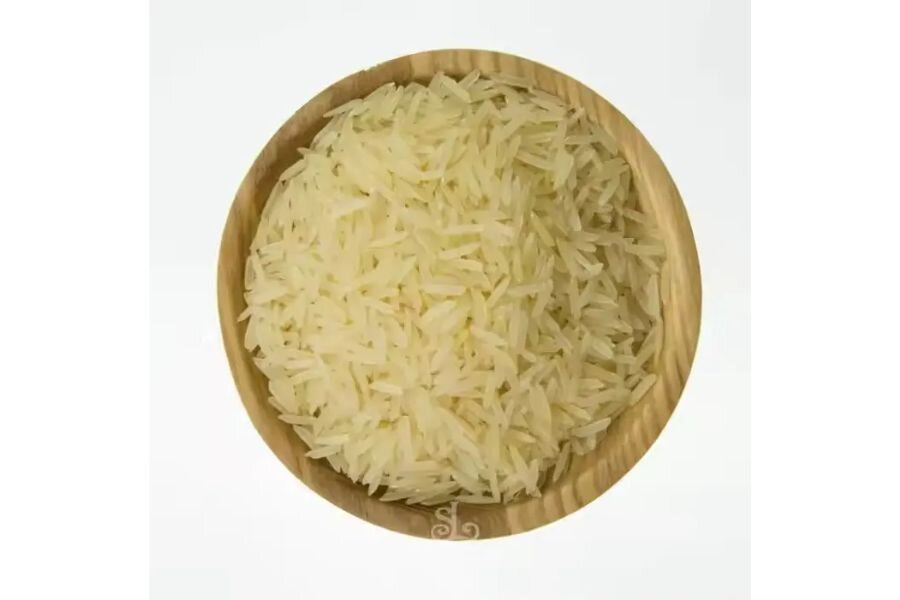
Golden color: Due to the steaming process, parboiled rice often has a slightly yellowish hue compared to regular white rice.
-
Nutritional retention: The steaming drives nutrients from the bran into the endosperm, preserving more vitamins and minerals.
-
Firm texture: Cooked parboiled rice grains remain separate, firm, and less sticky.
-
Less broken grains: The process strengthens the grain, resulting in fewer broken pieces during milling.
-
Longer shelf life: Parboiled rice resists insect infestation and spoilage better.
The Parboiling Process Explained
Vietnamese parboiled rice is produced through several controlled steps:
-
Soaking: Raw paddy rice is soaked in water to increase moisture.
-
Steaming: The soaked rice is steamed, gelatinizing starch and fixing nutrients inside the grain.
-
Drying: The rice is dried thoroughly before milling.
-
Milling: The husk and bran layers are removed, revealing parboiled rice with improved quality.
This process differentiates parboiled rice from regular white rice, which is milled directly after harvesting.
Why Is Vietnamese Parboiled Rice Famous Worldwide?
Several factors contribute to the worldwide recognition and popularity of Vietnamese parboiled rice.
1. Enhanced Nutritional Value
Parboiled rice retains significantly more nutrients than regular white rice, especially B vitamins and minerals like iron and calcium, making it a healthier choice.
2. Superior Cooking Qualities
The rice cooks to firm, separate grains that do not stick together easily, ideal for dishes requiring fluffy texture.
3. Durability and Shelf Life
Vietnamese parboiled rice stores well without spoilage or pest damage, an important factor for international shipping and long-term storage.
4. Economic Importance
Vietnam is a major exporter of parboiled rice, providing affordable and quality rice to many countries.
5. Consumer Preference
Many consumers worldwide prefer parboiled rice for its texture and health benefits, fueling its market demand.
Comparison with Other Rice Types
Understanding Vietnamese parboiled rice’s fame requires comparison with other rice varieties.
Vietnamese Parboiled Rice vs. White Rice
-
Nutrition: Parboiled rice retains more nutrients.
-
Texture: Parboiled rice is firmer; white rice is softer and stickier.
-
Shelf life: Parboiled rice lasts longer.
-
Color: Parboiled rice is golden; white rice is pure white.
Vietnamese Parboiled Rice vs. Brown Rice
-
Processing: Brown rice retains bran; parboiled rice is polished.
-
Nutrition: Brown rice has more fiber; parboiled rice retains more vitamins in the endosperm.
-
Texture: Parboiled rice is firmer; brown rice is chewier.
Vietnamese Parboiled Rice vs. Jasmine Rice
-
Aroma: Jasmine rice is aromatic; parboiled rice has minimal aroma.
-
Texture: Jasmine rice is soft and fluffy; parboiled rice is firm and separate.
-
Use: Jasmine rice suits fragrant dishes; parboiled rice is preferred where firm grains are desired.
Culinary Uses of Vietnamese Parboiled Rice
Vietnamese parboiled rice is versatile and widely used:
-
Steamed rice: Perfect as a side dish for various meats and vegetables.
-
Fried rice: Its firm texture prevents clumping.
-
Rice salads and pilafs: Maintains grain integrity.
-
Industrial food products: Used in pre-packaged meals and ready-to-eat rice.
-
Global cuisine: Popular in African, Middle Eastern, and Asian dishes.
Cooking Tips for Vietnamese Parboiled Rice
-
Rinse rice until water runs clear.
-
Use approximately 1.5 to 2 cups water per cup of rice.
-
Cook with lid closed to retain moisture.
-
Avoid stirring during cooking to prevent grain breakage.
-
Allow rice to rest for 5-10 minutes post-cooking.
Conclusion
Vietnamese parboiled rice stands out globally due to its enhanced nutrition, superior texture, and long shelf life. Its unique processing method not only preserves vital nutrients but also produces rice that cooks to firm, separate grains perfect for a variety of dishes. As Vietnam continues to be a major rice exporter, its parboiled rice gains increasing popularity worldwide among health-conscious consumers and culinary professionals alike.
Learn more: Parboiled Rice
TVQuản trị viênQuản trị viên
Xin chào quý khách. Quý khách hãy để lại bình luận, chúng tôi sẽ phản hồi sớm